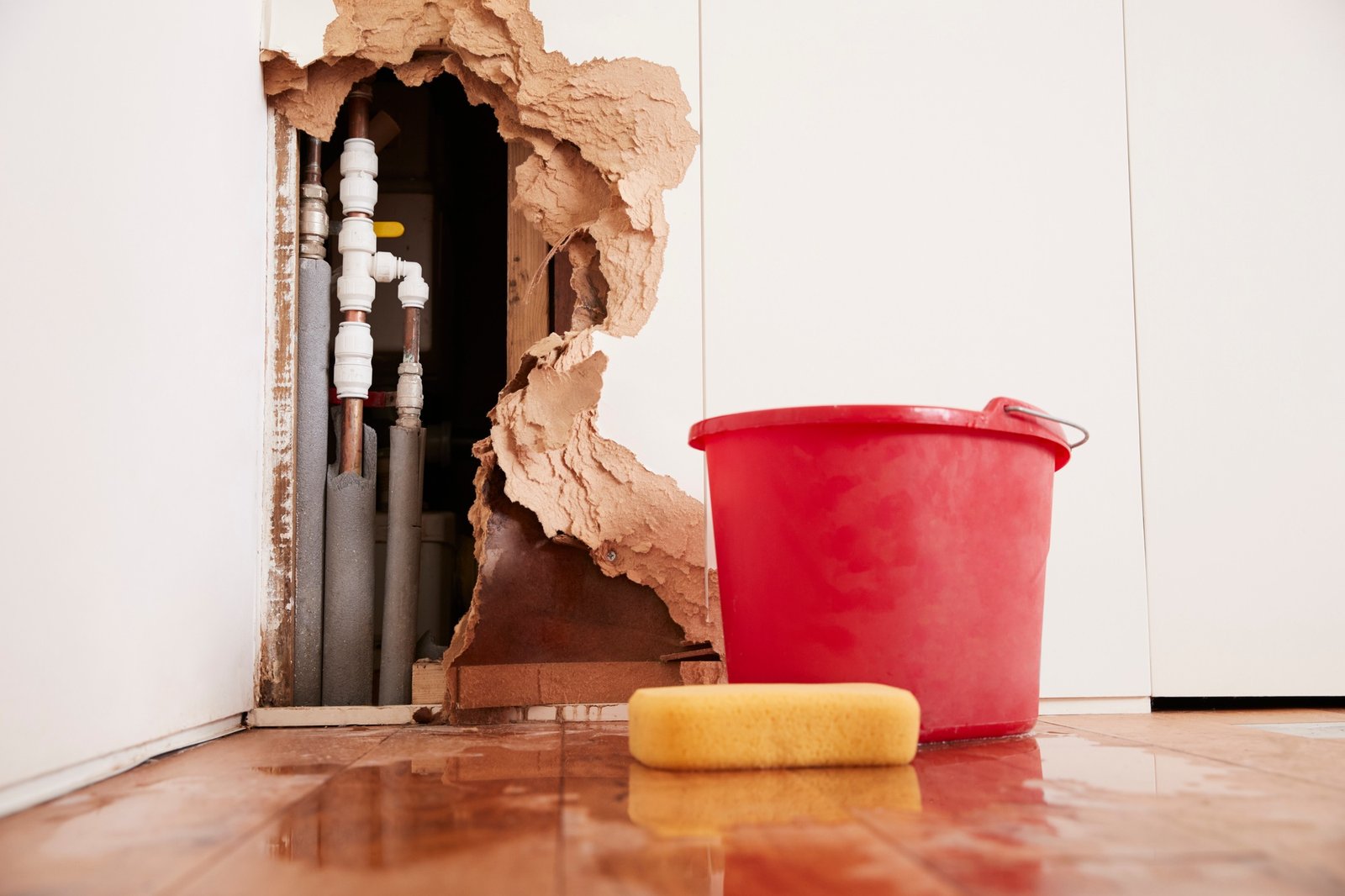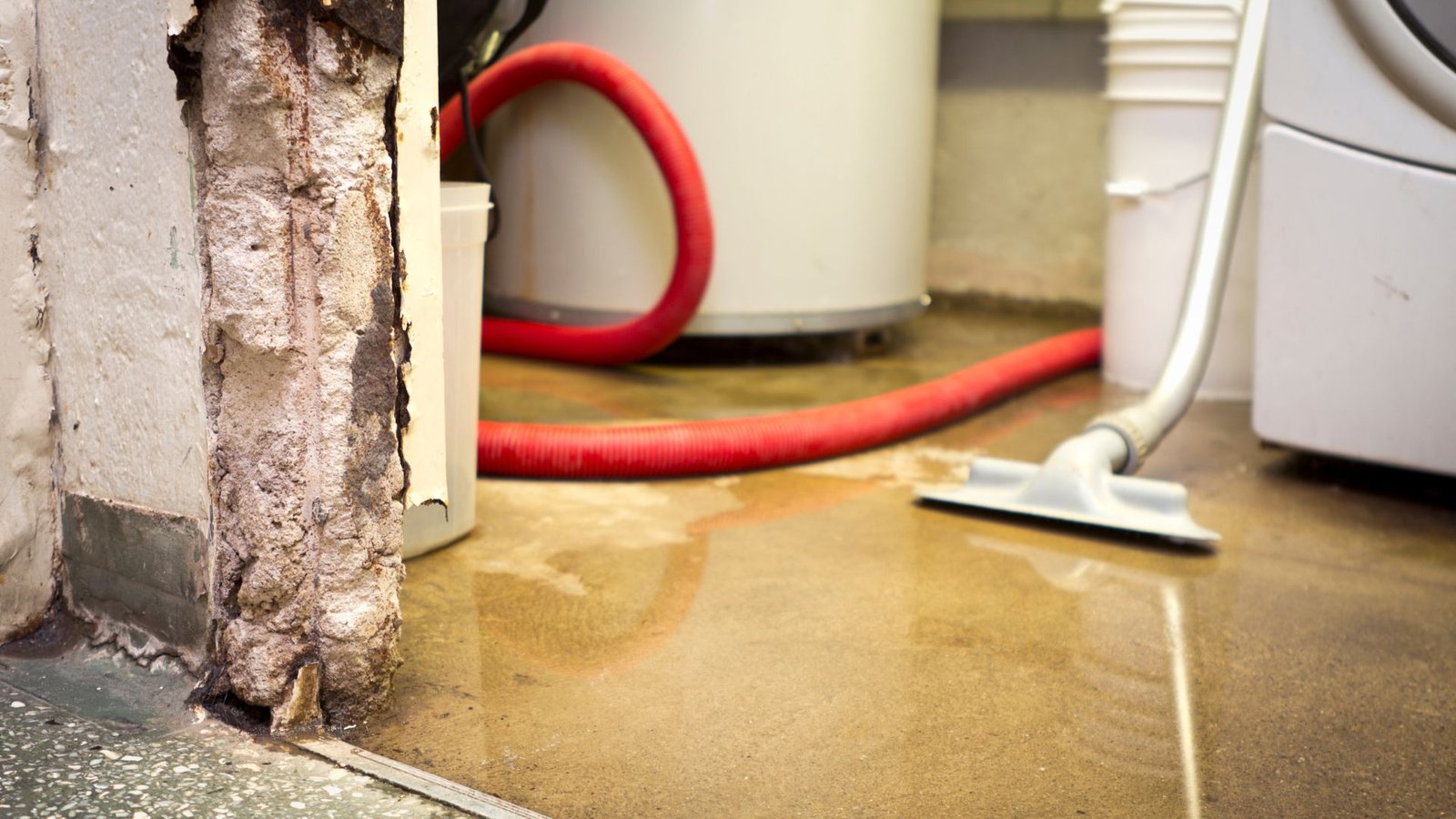
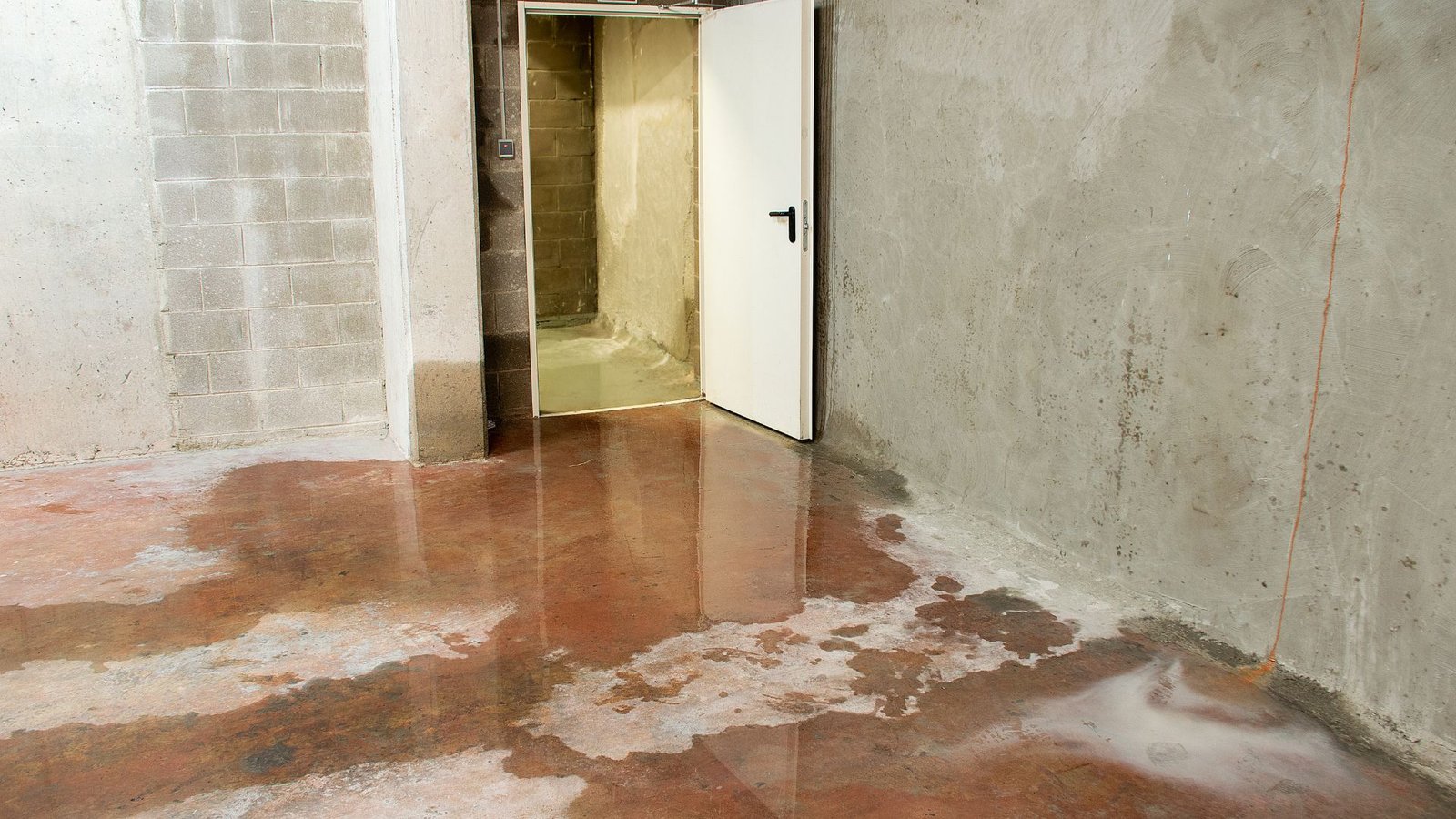
When water damage hits your home, panic is natural. But taking the right steps quickly can drastically reduce the extent of the damage. This guide walks you through what to do during an emergency and how professionals handle 24/7 emergency water removal to get your property back to normal.
Step 1: Stay Safe and Cut the Source
The first priority is always safety. Turn off electricity in affected areas and stop the water source if possible — whether it’s a broken pipe, overflowing washer, or leaky roof.
Avoid these common mistakes:
- Walking through standing water with electricity on
- Attempting to lift soaked carpets without proper equipment
- Waiting too long to call for help
Step 2: Call a 24/7 Water Removal Expert
Water spreads fast. The longer you wait, the more it seeps into floors and walls. Professional help should be your next step — technicians are trained to extract water and dry structures efficiently.
Reach out anytime, day or night, to:
👉 24/7 Emergency Water Removal
Step 3: Water Extraction and Moisture Detection
Once on site, experts use high-capacity vacuums and pumps to remove all standing water. They also deploy moisture meters and infrared cameras to detect hidden pockets of water in walls, subfloors, and ceilings.
Professional tools used include:
- Truck-mounted extraction units
- Submersible pumps
- Air movers and industrial dehumidifiers
- Thermal imaging cameras
Step 4: Drying and Dehumidifying the Space
Even when visible water is gone, hidden moisture can linger. Professionals use controlled drying techniques to remove this residual humidity. This prevents warping, swelling, and mold growth.
Step 5: Cleaning, Sanitizing, and Odor Removal
Water damage can bring contaminants into your home. The cleaning phase includes disinfection and deodorization to ensure a healthy environment for your family.
Common treatments:
- Antimicrobial applications
- HEPA air filtration
- Carpet and upholstery cleaning
- Odor neutralization
Step 6: Restoration and Repairs
The final step involves restoring your home to its original condition. This may include replacing drywall, repainting, or repairing flooring. A trusted water restoration team manages this process from start to finish.
How to Prevent Future Water Damage
While not every flood can be avoided, these proactive measures can help:
- Regularly inspect plumbing and appliances
- Clean gutters and downspouts
- Install a sump pump in flood-prone basements
- Keep emergency contacts handy
If you experience water damage, don’t delay. Help is just a call away:
📞 Contact Rhino Restoration Austin TX